
هل تبدو عملاتك الفضية باهتة أو داكنة؟ من الشائع أن تفقد الفضة بريقها مع مرور الوقت. لكن الخبر السار هو أنك قد تتمكن من استعادة بعض هذا السطوع بنفسك من خلال التنظيف الدقيق.
لجعل العملات الفضية لامعة، قم بتنظيفها بلطف. ابدأ بـ الصابون المعتدل والماء المقطر1 للأوساخ الخفيفة. بالنسبة للتشويه، فكر في استخدام عجينة من صودا الخبز والماء أو ملمع فضي تجاري، لكن كن حذرًا للغاية لأن ذلك قد يؤدي إلى إتلاف العملات المعدنية.
يتشكل التشويه عندما تتفاعل الفضة مع الكبريت، مما يؤدي إلى تكوين طبقة داكنة. التنظيف يزيل هذه الطبقة ببساطة. ومع ذلك، يجب أن تكون لطيفًا. قد يؤدي التنظيف القاسي إلى خدش العملة أو خفض قيمتها، خاصة بالنسبة للعملات المعدنية القابلة للتحصيل. الطريقة الصحيحة تعتمد على العملة والأوساخ. خلال أكثر من 12 عامًا من تشغيل INIMAKER®، وتصنيع عناصر معدنية مخصصة، تعلمت أن حماية سطح العملة أمر حيوي.
فيما يلي الطرق الشائعة، من الأكثر أمانًا إلى الأكثر خطورة:
-
الصابون المعتدل والماء المقطر:
- هذه هي الطريقة الأكثر أمانًا، والأفضل للتخلص من الأوساخ أو بصمات الأصابع، وليس تشويهها.
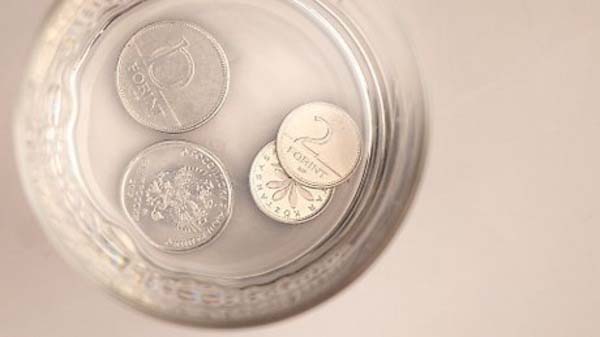
- كيف: ضع العملة في وعاء من الماء المقطر مع أ صغير الحجم قطرة من صابون الأطباق المعتدل. دعها تنقع لفترة وجيزة.
- Gently rub only with your fingertips. Never use any brush – even soft ones cause hairline scratches.
- Rinse thoroughly with distilled water.
- Pat dry carefully with a soft, lint-free cotton cloth, or let it air dry on the cloth. Avoid rubbing.
- ملحوظة: This won't remove dark tarnish.
-
Baking Soda Paste:
- This can remove light tarnish, but baking soda is slightly abrasive. Use with great care.
- كيف: Mix baking soda with a little distilled water to form a paste. Apply gently with your finger.
- Rub very lightly. Stop if you feel any grit.
- Rinse completely with distilled water, ensuring no residue remains.
- Pat dry or air dry carefully.
- Warning: Risk of micro-scratches. Many collectors advise against this for valuable coins. Try on a non-valuable coin first if unsure.
-
Commercial Silver Polish:
- تزيل هذه المنتجات البريق ولكنها قد تكون قاسية جدًا على العملات المعدنية، مما قد يؤدي إلى إزالة الفضة أو ترك بقايا.
- كيف: اتبع توجيهات المنتج بدقة. عادةً ما يتضمن ذلك وضعه بقطعة قماش ناعمة، وفركه بلطف، وشطفه جيدًا، وتجفيفه بعناية.
- Warning: استخدم فقط مواد التلميع المصممة للفضة الرقيقة؛ تجنب المنظفات الصناعية. لا تستخدم أبدًا الانخفاضات الفضية. تعتبر الانخفاضات حمضية وتؤدي إلى تجريد سطح العملة مما يؤدي إلى تدمير شكلها وقيمتها. ينصح معظم الخبراء بتجنب تلميع العملات المعدنية القابلة للتحصيل.
-
المحافظة المهنية:
- بالنسبة للعملات النادرة أو الثمينة، فإن الطريقة الأكثر أمانًا غالبًا هي عدم التنظيف. إذا كان التنظيف ضروريًا، فإن أخصائي صيانة العملات المعدنية لديه المهارات والأدوات اللازمة للقيام بذلك بأمان دون الإضرار بالقيمة.
نصائح سريعة:
- احتفظ دائمًا بالعملات المعدنية من حوافها.
- استخدم فقط الأقمشة القطنية الناعمة والماء المقطر.
- لا تستخدم أبدًا المواد الكيميائية القاسية (الخل أو عصير الليمون) أو معجون الأسنان أو الصوف الفولاذي.
- التنظيف يمكن أن يقلل من قيمة العملة القابلة للتحصيل. إذا كنت في شك، اسأل خبيرا.
ما هي الطريقة الأكثر أمانًا لتنظيف العملات الفضية دون فقدان قيمتها؟
هل تشعر بالقلق إزاء تنظيف العملات الفضية القيمة؟ محقة في ذلك. التنظيف غير السليم يمكن أن يضر بشكل كبير بقيمة جامعها. ما هو أفضل نهج لتجنب ذلك؟
الطريقة الأكثر أمانًا تتضمن الحد الأدنى من الإجراءات. انقع العملة في الماء المقطر. إذا لزم الأمر، استخدمي صابونًا خفيفًا يوضع بلطف بأطراف الأصابع. تجنب جميع المواد الكاشطة والتلميع الكيميائي. بالنسبة للعملات المعدنية القيمة، استشر أمينًا محترفًا قبل القيام بأي شيء.
Collector value is heavily tied to a coin's original condition. Natural toning, or "patina," التي تتطور بمرور الوقت يمكن أن تعزز جاذبية العملة. يؤدي التنظيف القاسي إلى إزالة هذا العتق وغالبًا ما يترك خدوشًا صغيرة، مما يقلل من قيمته.
القيمة والسلامة والباتينا
لماذا يعتبر كونك لطيفًا أمرًا بالغ الأهمية؟
تشويه مقابل باتينا
- تشويه: الطلاء الداكن الناتج عن تفاعل الكبريت. كثيرا ما ينظر إليها على أنها غير مرغوب فيها. إزالة لطيفة قد سيكون جيدًا بالنسبة للعملات المعدنية الشائعة إذا تم ذلك بعناية.
- الزنجار: تم تطوير التنغيم الجذاب (تغير اللون) على مدى فترات طويلة. تعتبر جزءًا من تاريخ العملة وتضيف قيمة. إزالة الزنجار يقلل من القيمة. إذا لم تكن متأكدًا، فافترض أنها صدأ واتركها.
متى يجب تجنب التنظيف
بشكل عام، لا تقم بالتنظيف إذا:
- العملة نادرة أو ذات قيمة محتملة.
- إنه جذاب ومتجانس (الباتينا).
- أنت تخطط لبيعه (دع المشتري يقرر).
- You intend to get it professionally graded (cleaning leads to a "details" درجة).
أساسيات التعامل الآمن
- اغسل يديك أو ارتدي قفازات قطنية.
- امسك بالحواف فقط.
- العمل على سطح ناعم.
- استخدم الماء المقطر.
في الأساس، كلما قل ما تفعله، كلما كان ذلك أكثر أمانًا لقيمة العملة. نقع الماء المقطر هو الحد الأدنى من المخاطر. الصابون المعتدل منخفض المخاطر إذا كان لطيفًا. تحمل صودا الخبز مخاطر متوسطة (التآكل). الملمعات عالية المخاطر. تعتبر الأحماض (الخل، الغموس) شديدة الخطورة وتضمن تقريبًا فقدان القيمة. بالنسبة لأي شيء يحتمل أن يكون ذا قيمة، فإن المشورة المهنية هي الأفضل.
هل يمكنني استخدام الأدوات المنزلية مثل معجون الأسنان أو الخل لتنظيف العملات الفضية؟
من السهل الاعتقاد بأن المنظفات الشائعة قد تعمل على العملات المعدنية. ولكن هل يعد استخدام معجون الأسنان أو الخل فكرة جيدة لقطع الفضة الخاصة بك؟ يجب أن تكون حذرا للغاية.
عموما لا. تجنب استخدام الأدوات المنزلية مثل معجون الأسنان أو الخل على العملات الفضية. معجون الأسنان مادة كاشطة وسوف تخدش السطح. الخل حمضي ويمكن أن يؤدي إلى حفر المعدن أو تآكله. كلاهما يسبب ضررا دائما ويقلل من القيمة.
تبدو هذه العناصر مريحة، لكنها لم تكن مصممة للأسطح الحساسة للعملات المعدنية. يمكن أن تسبب ضررا لا رجعة فيه.
لماذا تتسبب المنتجات المنزلية في إتلاف العملات المعدنية؟
دعونا نستكشف سبب كون هذه العناصر الشائعة ضارة.
معجون الأسنان: ضرر كاشط
يحتوي معجون الأسنان على جزيئات كاشطة دقيقة مصممة لتنظيف الأسنان. على المعدن، تعمل هذه الجزيئات مثل ورق الصنفرة.
- ضرر: أنها تخلق العديد من الخدوش الصغيرة (خطوط الشعر) عبر سطح العملة.
- نتيجة: قد تبدو العملة أكثر لمعانًا في البداية، لكن بريقها الأصلي أو بريقها النعناعي قد اختفى، وحلت محله خدوش غير طبيعية. هذا يدمر قيمة المجمع.
الخل وعصير الليمون: أضرار الأحماض
الخل (حمض الخليك) وعصير الليمون (حمض الستريك) من الأحماض. تتفاعل الأحماض كيميائيًا مع التشويه و الفضة نفسها.
- ضرر: يمكنهم حفر سطح العملة، مما يجعلها تبدو منقرة أو مسامية. إنها تجرد المعدن وتضر بالتفاصيل الدقيقة واللمسة النهائية الأصلية.
- نتيجة: يصبح السطح باهتًا ويبدو غير طبيعي. لا يمكن التراجع عن هذا الضرر ويدمر قيمة المجمع.
ورق الألمنيوم & طريقة صودا الخبز
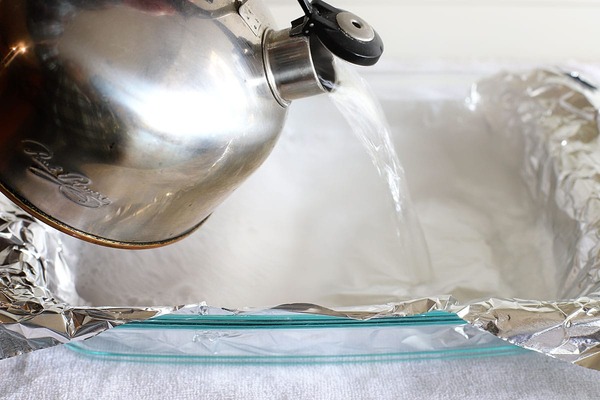
تستخدم هذه الطريقة الشائعة عبر الإنترنت تفاعلًا كيميائيًا لإزالة البريق. تُحدث رقائق الألومنيوم وصودا الخبز والماء الساخن تفاعلًا يسحب الكبريت من الفضة.
- Does it work? Yes, it removes tarnish quickly.
- ضرر: It removes الجميع tarnish and patina, good or bad. The coin often looks unnaturally bright, possibly slightly pitted. It cannot distinguish ugly tarnish from valuable toning.
- نتيجة: Experienced collectors easily spot this type of cleaning. It's not recommended for valuable coins.
The safest path remains: distilled water, perhaps mild soap gently applied, or leaving the coin alone. For valuable items, always ask an expert.
خاتمة
يتطلب جعل العملات الفضية القديمة لامعة تنظيفًا لطيفًا، بدءًا من الماء المقطر. تجنب المواد الكاشطة مثل معجون الأسنان والأحماض مثل الخل. حماية القيمة تعني الحد الأدنى من التدخل. للحصول على لمعان مضمون على العملات الجديدة، اعتمد على التصنيع الاحترافي مع طلاء عالي الجودة وطلاءات واقية.
-
اكتشف هذا الرابط لتتعرف على الطريقة الأكثر أمانًا لتنظيف العملات الفضية دون المخاطرة بقيمتها، وذلك باستخدام الصابون المعتدل والماء المقطر. ↩