

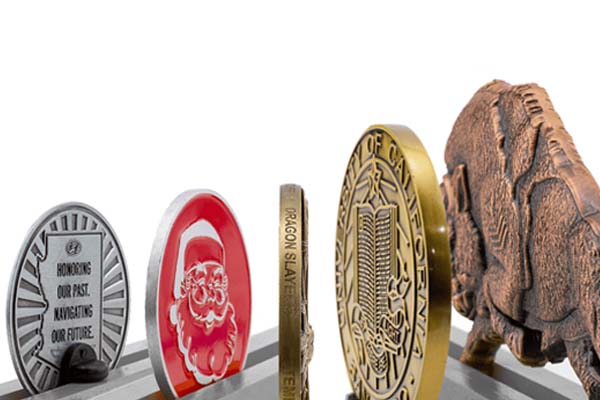
Choosing the right thickness for a challenge coin can make all the difference in its look and feel. Let’s explore how thickness influences both design and practicality.
The standard thickness for challenge coins is 3mm, with a typical diameter of 2 inches. Custom shapes, sizes, and thicknesses offer more flexibility to bring your design to life.
But what really determines the best thickness for your coin? The answer lies in several factors—design, material, and what you want the coin to represent.
What is the Standard Thickness Range of Challenge Coins?
Most challenge coins fall within a thickness range of 1.5mm to 4mm. The thickness varies based on design needs, material, and use—military coins are typically thicker, while commemorative coins are lighter and thinner.
The thickness of a challenge coin impacts not just its visual appeal but its overall weight and feel. Coins designed for the military, where durability and a robust look are important, tend to be on the thicker side, typically around 3.5mm to 4mm. On the other hand, commemorative coins or collectible coins are often thinner, falling between 1.5mm and 2mm, making them easier to display and handle.
Here are some factors that influence the thickness:
- Design Complexity: Intricate engravings require thicker coins to ensure the details are visible and durable.
- Scelta del materiale: Heavier materials like brass and silver naturally lend themselves to thicker coins.
- Intended Use: Military coins often need to be thicker for durability, while collectible or commemorative coins might focus more on aesthetics, requiring less thickness.
What Factors Affect the Thickness of Challenge Coins?
The thickness of a challenge coin isn’t just about looks—several factors play a role in determining the ideal thickness for your design.
Material, design requirements, and intended use all affect the thickness of challenge coins. Thicker coins are typically used for intricate designs, while thinner coins are ideal for collectible or commemorative purposes.
-
Materiale: Il tipo di materiale scelto influisce in modo significativo sullo spessore. Ad esempio, potrebbe essere necessario rendere i metalli più spessi come l’argento e il rame più spessi per preservarne la durabilità e consentire dettagli complessi. I metalli più leggeri come l’alluminio o il nichel, d’altro canto, potrebbero non aver bisogno di essere così spessi per mantenere lo stesso peso e durata.
-
Progetto: Quanto più dettagliata è l'incisione o la goffratura, tanto più spessa potrebbe essere la moneta. I disegni complessi, soprattutto quelli con incisioni profonde, possono causare la piegatura o la perdita di dettagli delle monete più sottili nel tempo. Per evitare ciò, molti produttori consigliano di scegliere una moneta più spessa per tali modelli.
-
Utilizzo: The intended purpose of the coin determines how thick it should be. Military challenge coins tend to be thicker for added durability, while commemorative or collector’s coins are often thinner to make them lighter and easier to display.
How Does Coin Thickness Relate to Weight?
The thickness of a challenge coin directly impacts its weight. Balancing the two is key to achieving both aesthetic appeal and practicality.
Thicker coins are typically heavier, which affects portability and display. For a commemorative coin, you’ll want to strike the right balance between weight and thickness for both functionality and design.
Il peso di una moneta è direttamente proporzionale al suo spessore. Le monete più spesse pesano naturalmente di più, il che potrebbe renderle più difficili da trasportare o esporre. Le monete militari, ad esempio, tendono ad essere più pesanti a causa della loro struttura più spessa, fornendo una sensazione robusta e sostanziale. Le monete da collezione, tuttavia, tendono ad essere più leggere e sottili, consentendo una facile manipolazione ed esposizione.
Per i progettisti di monete, l'obiettivo è trovare un equilibrio tra l'attrattiva visiva, l'uso pratico e il peso. Una moneta troppo spessa può sembrare ingombrante, mentre una moneta troppo sottile potrebbe perdere il suo aspetto solido o la sua durata. Per ottimizzare il peso e lo spessore, considera lo scopo della moneta, il materiale che stai utilizzando e le eventuali specifiche di progettazione.
How to Measure the Thickness of a Challenge Coin?
La misurazione accurata dello spessore delle monete è essenziale per il controllo di qualità. Ecco un modo semplice per farlo.
Usa un calibro o uno spessimetro per misurare lo spessore della moneta. Ciò garantisce la precisione nel soddisfare le specifiche di progettazione e nel mantenere la coerenza.
Per misurare lo spessore di una moneta sfida, puoi utilizzare calibri digitali o uno spessimetro specializzato. Posiziona semplicemente la moneta tra le ganasce di misurazione, assicurandoti che sia allineata in modo piatto e livellato. Per risultati accurati, misura in più punti attorno alla moneta, soprattutto se ha una forma irregolare o superfici irregolari.
Per ottenere i migliori risultati, utilizza un micrometro se lavori con monete che presentano dettagli molto fini o piccole variazioni di spessore. Una semplice tecnica di misurazione può prevenire problemi nella produzione di massa e mantenere standard di qualità elevati.
Domande frequenti (FAQ)
Ecco le risposte ad alcune delle domande più frequenti sullo spessore delle monete Challenge.
Lo spessore delle monete sfida più comune è compreso tra 1,5 mm e 4 mm. Le monete più spesse sono spesso utilizzate per le monete militari, mentre le monete più sottili sono ideali per scopi commemorativi.
-
Esiste uno spessore standard per le monete Challenge?
Non esiste uno standard uniforme, ma la maggior parte delle monete rientra nell'intervallo compreso tra 1,5 mm e 4 mm. -
Una moneta sfida più spessa è migliore?
Non sempre. Lo spessore dovrebbe essere in linea con le esigenze di progettazione e l’uso pratico, non solo con le dimensioni. -
How does thickness affect the design of a challenge coin?
Thicker coins can accommodate more intricate engravings, but they might also increase weight and cost. -
How do I choose the right thickness for my challenge coin?
Choose based on the coin’s intended use, design, and material. For instance, military coins are typically thicker, while commemorative coins may be thinner for easier handling.
Conclusione
When designing a challenge coin, thickness plays a critical role in both its appearance and functionality. Whether for military use, commemorative purposes, or collectibles, selecting the right thickness will enhance the coin’s design and overall user experience.
1.Learn more about challenge coin design and customization
2.Industry standards for coins from the National Coin & Bullion Association
3.Detailed guide on coin sizing and specifications