

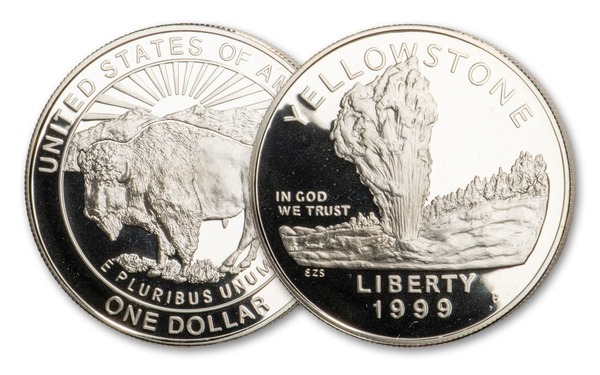
Finding real 銀貨1 can seem confusing. You might worry about overpaying or maybe missing out on valuable finds. But learning a few simple checks can give you confidence.
To tell if a coin is silver, check its date (US dimes, quarters, half dollars before 1965 are key). Listen for a clear, high-pitched ring when tapped (sound test). Real silver is not magnetic. Also, look for markings like ".999," ".925," or "Sterling."
These quick checks are a good starting point for identifying silver coins. But let's explore each method a bit more. Understanding なぜ これらのテストは、本物の銀を特定し、よくある間違いを避けるのに役立ちます。銀には、私たちが有利に利用できる独特の物理的特性があります。 INIMAKER® では 12 年以上にわたり、数え切れないほどの種類の金属を扱ってきたので、何を探すべきかを学びました。
一般的な方法を詳しく見てみましょう。
-
日付と造幣局のマークを確認します。
- For United States coins, this is often the easiest first step. Dimes, quarters, and half dollars minted in 1964 or earlier contain 90% silver. Dollars minted before 1936 are also 90% silver. Nickels are usually copper-nickel, but those minted between 1942 and 1945 (wartime nickels) contain 35% silver – you can spot these by the large mint mark above Monticello on the reverse. Pennies were never silver. After 1964, the US largely removed silver due to rising costs, switching to copper-nickel clad coins. Other countries have different silver dates (e.g., Canada pre-1968, UK pre-1947, Mexico varies greatly). Mint marks (like 'D' for Denver, 'S' for San Francisco) tell you where the coin was made but don't guarantee silver content on their own – the date is more critical.
-
The Sound (or "Ping") Test:
- Silver produces a distinct sound when tapped gently or dropped (carefully!) onto a surface. It has a higher-pitched, longer-lasting ring compared to base metals like copper, nickel, or zinc, which tend to make a duller thud. I often compare the sound of a known silver coin (like a pre-1965 quarter) with the coin I'm testing. Listen for that clear, bell-like tone. Be careful, though – this test is subjective and could potentially damage a valuable coin if done carelessly. It works best when comparing two coins side-by-side.
-
The Magnet Test:
- Silver is not magnetic. If you hold a strong magnet (like a neodymium magnet) near the coin and it sticks, the coin is definitely not silver. It's likely made of steel or nickel, or it might be a plated fake with a steel core. However, just because a coin そうではありません stick doesn't guarantee it's silver. Many common non-precious metals used in coins and counterfeits, like copper, zinc, and aluminum, are also non-magnetic. So, the magnet test2 is great for quickly ruling out いくつかの fakes, but it can't confirm silver on its own.
-
Visual Inspection and Markings:
- Look closely at the coin's edge. Older silver coins often have a solid silver stripe. Clad coins (post-1964 US dimes, quarters, halves) show a copper layer sandwiched between nickel layers. Examine the surface for markings. Investment-grade silver bullion coins or rounds are often stamped with their purity, such as ".999 Fine Silver," "999," or ".925 Sterling Silver." Older circulation coins usually don't have these purity marks. Also, look for signs of plating wear, especially on raised areas or the rim. If you see a different colored metal (like copper or gray) showing through, it might be a plated fake. Silver also tarnishes in a particular way, often turning dark gray or black over time, unlike the greenish patina of copper or the rust of iron. At INIMAKER®, we deal with various plating techniques, including gold and silver plating, so we know how to spot inconsistencies.
-
Other Tests (More Advanced):
- Specific Gravity Test: This is a very accurate method but more complex. It involves weighing the coin in air and then weighing it while submerged in water. Because silver has a known density (10.49 g/cm³), you can calculate the coin's density and compare it. Fakes made of lead or zinc will have different densities.
- Ice Test: Silver is an excellent thermal conductor (even better than copper). Place an ice cube on the coin. It should melt noticeably faster on silver than on a base-metal coin at the same temperature. This test is quick but less definitive, as copper also conducts heat well.
No single test is perfect. Using a combination of these methods – date check, sound, magnet, and visual inspection – gives you the best chance of correctly identifying a silver coin.
Are all coins dated before 1965 silver?
That's a common question I hear. It's easy to assume older means silver, but it's not always true.
No, not 全て coins dated before 1965 are silver. For US coins, dimes, quarters, half dollars, and dollars minted 1964 and earlier are mostly silver (90%). But pennies and most nickels from that era were base metals (copper/nickel), except for specific wartime silver nickels (1942-45).
Let's dive deeper into this common assumption. Relying only on the "pre-1965" rule can lead to mistakes, especially when dealing with different types of US coins or coins from other countries.
US Coinage Breakdown Pre-1965
Understanding the specific composition of US coins before the Coinage Act of 1965 is key.
| US Coin Type | Years (Generally Silver) | シルバーコンテンツ | Common Exceptions/Notes |
|---|---|---|---|
| Dimes | 1964年以前 | 90% | Consistent until clad coinage started. |
| クォーターズ | 1964年以前 | 90% | Consistent until clad coinage started. |
| Half Dollars | 1964年以前 | 90% | Consistent until clad coinage started. |
| Dollars | 1935 and earlier | 90% | No circulation dollars 1936-1970. |
| Nickels ("Wartime") | 1942 - 1945 | 35% | 裏面の大きなミントマークで識別できます。 |
| ニッケル(その他) | 1965 年以前 (標準) | 0% | 75% 銅、25% ニッケル製。 |
| ペニー | 1965年以前 | 0% | 主に銅で作られています。 |
注: この表は、米国で一般的に流通しているコインをまとめたものです。
ご覧のとおり、米国内でも特定の宗派のみが銀でした。ペニー貨幣は常に銅 (第二次世界大戦中は亜鉛メッキ鋼鉄) であり、ニッケルは戦時中の短い期間を除いて銅ニッケルでした。
Beyond US Borders
It's crucial to remember that the "pre-1965" ルールは主に米国中心のベンチマークです。
- カナダ: 1967 年までは 80% の銀が 10 セント、4 セント、2 セント、ドルで使用されていました。1967 年から 1968 年にかけて、 シルバーコンテンツ3 一部のコインでは 50% に低下し、その後銀は廃止されました。
- イギリス: 1919 年まではスターリングシルバー (92.5%) が使用されていましたが、その後 1946 年までは銀の割合が 50% に下がりました。1946 年以降、イギリスで流通しているコインには銀が含まれていませんでした。
- メキシコ: さまざまな銀の内容と日付がありました。古いペソの多くは銀が 72% または 90% でしたが、変更は頻繁に行われました。たとえば、1 ペソ硬貨は時間の経過とともに銀の含有量が大幅に減少し、卑金属になりました。
これらの例は、銀地金価格の上昇などの経済的要因によって、各国が硬貨から銀を取り除くための独自のスケジュールを持っていたことを示しています。不明な場合は、必ず特定の国と年を調べてください。
Why 1965 Matters (in the US)
The Coinage Act of 1965 was passed because the value of the silver metal in dimes, quarters, and halves had exceeded their face value. People started hoarding silver coins, leading to a shortage. The Act authorized the US Mint to produce copper-nickel clad coins to replace the silver ones, keeping currency circulating.
Can a magnet reliably detect fake silver coins?
Using a magnet seems like a simple yes/no test. But when identifying silver, its reliability has limits.
A magnet can help identify いくつかの fakes made of magnetic metals like steel or nickel. However, since silver itself is ない magnetic, and many other non-magnetic metals (like copper, zinc, aluminum) are used in counterfeits, the magnet test alone cannot reliably confirm a coin is genuine silver.
Let's explore why the magnet test is useful but shouldn't be your only tool. Its effectiveness depends entirely on what the potential counterfeit coin is made of.
How Magnets Interact with Metals
Understanding the basics helps explain the test's limits.
- Ferromagnetic Metals: These are strongly attracted to magnets. Iron, nickel, and cobalt are the main examples. Fakes made using steel (an iron alloy) or pure nickel cores will stick firmly to a magnet.
- Paramagnetic Metals: These have a very weak attraction to magnets, usually unnoticeable without sensitive instruments. Aluminum and platinum are examples.
- Diamagnetic Metals: These are weakly repelled by magnets. Silver, copper, gold, zinc, and lead fall into this category. The repulsion is usually too slight to feel easily, but the key is they do not stick。
The magnet test works by quickly identifying ferromagnetic fakes. If it sticks, it's not silver. Simple.
Where the Magnet Test Fails
The biggest limitation is that many materials used to make fake coins are also non-magnetic (diamagnetic).
| 金属 | Magnetic? | Common Use in Coins/Fakes |
|---|---|---|
| 銀 | いいえ | Genuine coin material |
| 銅 | いいえ | Genuine (pennies), Fakes, Plating Base |
| 亜鉛 | いいえ | Fakes, Plating Base, Modern Pennies (plated) |
| アルミニウム | いいえ | Some modern low-value coins, Light Fakes |
| Lead | いいえ | Fakes (heavy, soft) |
| Tin | いいえ | Fakes (often alloyed) |
| ニッケル | はい | Genuine (nickels), Fakes, Plating Layer |
| Steel (Iron) | はい | Fakes (especially plated), some low-value coins |
If a counterfeiter uses copper, zinc, or a lead-tin alloy to mimic silver's weight and appearance, the magnet test will fail – the fake coin won't stick, just like real silver.
Another potential issue is plated coins. Sometimes, fakes have a thin layer of silver plated over a magnetic core (like steel). A weak magnet might not detect the core, or it might only show a slight drag. Conversely, genuine coins like US nickels contain nickel (which is magnetic) but are primarily copper, so they usually don't react strongly to common magnets unless the magnet is very powerful.
Using the Magnet Test Effectively
So, the magnet test isn't useless – it's just not definitive proof of authenticity.
- Use it as a screening tool: Quickly eliminate obvious fakes made of steel or iron.
- Use a strong magnet: A weak refrigerator magnet might not be sufficient. A small neodymium magnet works best.
- Combine it with other tests: Never rely solely on the magnet. Always combine it with:
- Date/Mint Mark Check
- Sound/Ping Test
- Visual Inspection (edge, markings, luster, tarnish)
- Weight and Dimensions Check (if you have a precise scale and caliper)
If a coin is non-magnetic, weighs correctly, sounds right, and matches the visual characteristics of a genuine silver coin for its date and type, then you can be much more confident in its authenticity. We use multiple checks in our quality control at INIMAKER®, verifying materials at each stage – it’s the same principle.
結論
Identifying silver coins involves more than just one check. Combine visual inspection, date checks, the sound test, and the magnet test for the best accuracy. Remember, no single method is foolproof.
-
Explore this resource to learn effective techniques for identifying genuine silver coins and avoid costly mistakes. ↩
-
This link will provide insights into the effectiveness and limitations of the magnet test in detecting silver coins. ↩
-
Understanding the silver content of coins can help you make informed decisions when buying or selling silver coins. ↩