

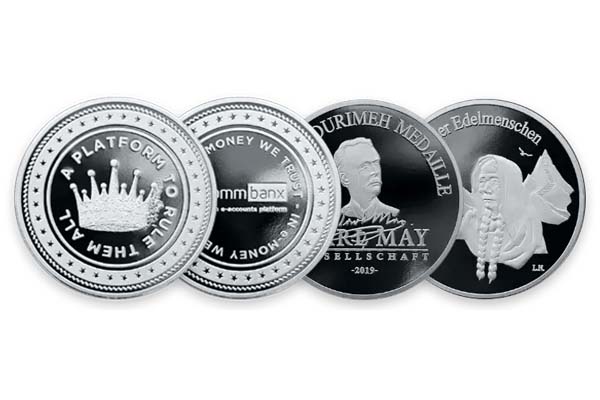
Struggling with silver jargon like "coin silver" versus "sterling"? You might be confused about value or quality. Let's clear up exactly what coin silver is, so you know what you're looking at.
コインシルバーは、通常90%の純銀と10%の銅を含む金属合金です。歴史的には、この用語は実際に溶けた銀貨から作られた銀製品を意味しており、その純度はさまざまですが、多くの場合 90% 前後で推移していました。
That 90% silver, 10% copper mix became particularly well-known because it was the standard for United States dimes, quarters, and half dollars issued before 1965. Adding copper wasn't just about cost; it made the coins much harder and more durable for everyday circulation. Pure silver, being very soft, wouldn't hold up well to constant handling. Understanding this difference is key, because the term "coin silver" スターリングシルバーや純銀地金などの他のタイプとは異なり、金属の組成に関する特定のことがわかります。高純度と実用的な使いやすさの間のギャップを埋めます。
これについてもう少し詳しく見てみましょう。歴史はかなり実践的です。何世紀も前の銀細工師だったことを想像してみてください。精製された銀の標準化された延べ棒を入手することは、必ずしも簡単ではなく、手頃な価格ではありませんでした。しかし、各国の銀貨が広く流通していました。スペインの銀ドル (8 枚単位) またはその他の一般的な通貨を考えてください。これらはすぐに使える銀の供給源でした。銀細工師はこれらのコインを溶かして、スプーン、ボウル、ティーポット、または宝石を作るのに必要な原材料を得ることができます。オブジェクトの最終的な純度は、使用されたコインの純度に完全に依存し、かなり異なる可能性があります。
Then, especially in North America, the term "coin silver" より標準化され、特に銀 90%、銅 10% の合金 (多くの場合、900/1000 の純度と呼ばれます) を指します。これは、長期間にわたって米国の公式貨幣に使用されていた合金と一致しました。したがって、1965 年以前の米国銀貨を扱うときは、この標準的な銀貨の構成例を手にすることになります。
これは、あなたが遭遇する可能性のある他のシルバータイプとどのように比較できますか?
- スターリングシルバー: This is the most common standard for quality silver jewelry and tableware today, especially in the US and UK. It's defined as 92.5% pure silver, usually mixed with 7.5% copper. You'll see it marked "Sterling," "STER," or "925." 一般的なコインシルバーよりもわずかに純度が高いです。
- ファインシルバー: This is as close to pure silver as you can commercially get, typically 99.9% pure (marked "999," ".999," or "Fine Silver"). It's very soft and primarily used for investment bullion (bars and rounds) or in specialized crafts where hardness isn't the main concern.
- Silver Plated: This isn't solid silver at all. It's a thin layer of silver electroplated onto a base metal core (like brass, nickel, or copper). It looks like silver but has very little intrinsic silver value. Marks might include "EP," "EPNS," or simply the manufacturer's name.
One challenge with older items potentially made from melted coins is the marking. While modern pieces meeting the 900 standard might be marked "Coin" or "900," historical pieces might lack any purity mark. Sometimes they only bear the maker's mark. This makes identification based solely on markings tricky for antiques.
簡単な比較は次のとおりです。
| 特徴 | Coin Silver (900) | Sterling Silver (925) | Fine Silver (999) | Silver Plated |
|---|---|---|---|---|
| Silver % | 90.0% | 92.5% | 99.9%+ | Minimal Layer |
| Other Metal | 10% (Usually Copper) | 7.5% (Usually Copper) | <0.1% | Base Metal Core |
| 耐久性 | 良い | Very Good | Lower (Softer) | Depends on Base Metal |
| Value | Good (Based on Silver + Age) | Higher (Based on Silver + Age) | Highest (Melt Value) | 低い |
| Common Marks | Coin, 900, Standard (Older: ?) | Sterling, STER, 925 | 999, Fine Silver | EP, EPNS, A1, etc. |
Understanding these differences is crucial, whether you're a collector assessing an antique find or, like our client Mark Chen in France sourcing tourist coins, you need to ensure you're getting the quality and value you expect. Misunderstanding terms can lead to costly mistakes.
How Can You Identify Coin Silver Items?
さて、銀貨がどのようなものかご存知でしょう。しかし、現実の世界では、特に古いものやマークのないものでは、どうやってそれを見つけるのでしょうか?実践的な方法を見てみましょう。
Check for markings like "Coin," "Pure Coin," "Standard," or "900." マークのない古い作品については、変色模様や重量などの特徴を考慮してください。確実性を高めるには、専門家による非破壊 XRF 検査または (慎重に行われた) 酸検査が最良の選択肢です。

Identifying coin silver, particularly antique pieces, often requires looking at multiple clues. As someone who deals with metal specifics daily, like ensuring material traceability for clients such as Sarah Johnson from the US defense sector, accuracy is vital. Here’s how you can approach it:
Examine Markings and Hallmarks
This is always the first step. Look carefully over the entire piece, especially on the back, underside, or inside rims.
- Explicit Marks: Look for "Coin," "Pure Coin," "Dollar" (on some very old American pieces made from melted dollars), "Standard," or the number "900."
- Maker's Marks: Older pieces might only have a maker's mark (initials, name, or symbol). While this doesn't guarantee coin silver, researching the maker and their working period can provide strong clues about the materials they typically used. Some silversmiths specialized in coin silver before sterling became dominant.
- Absence of Marks: Be cautious. While some genuine antique coin silver items lack purity marks, many unmarked metal items are simply silver-plated or made of other alloys like pewter.
| Mark Examples | Possible Meaning | 信頼性 |
|---|---|---|
| COIN / PURE COIN | Likely 90% silver | High (if genuine) |
| 900 | 90% silver fineness | High (if genuine) |
| STANDARD | Often indicated coin silver standard | 中程度から高程度 |
| Maker's Mark Only | Requires research on the silversmith | 変数 |
| No Marks | Uncertain; needs further testing | 低い |
Assess Physical Characteristics (Use with Caution)
These methods are less reliable but can offer hints:
- 変色: コインシルバーとスターリングシルバーはどちらも変色(酸化)し、時間の経過とともに通常は黄色がかってから、灰色、黒、または虹色の青/紫に変わります。の パターン 変色の度合いが指標になることもありますが、環境やクリーニング履歴に大きく影響されます。シルバープレートも変色することがありますが、メッキが磨耗すると、その下の黄色や赤みがかった地金が見えることがあります。
- 重量と重量: 一般的に純銀製品は、同じサイズのメッキ製品に比べて重く感じられます。コインシルバー (90% Ag) は、スターリング (92.5% Ag) よりも密度がわずかに低く、めっきによく使用される銅や真鍮などの卑金属よりもかなり密度が高くなります。ただし、感覚で判断するには経験が必要です。
- Sound (The "Ping" テスト): Some claim silver alloys have a distinct resonance or "ping" タップすると。これは非常に主観的なものであり、物体の形状や厚さによって大きく異なり、信頼できる指標ではありません。
- マグネットテスト: 銀は磁性を持ちません。磁石がアイテムに強くくっつく場合、それは間違いなく純銀ではありません(ただし、鉄やニッケルなどの磁性コアの上にメッキされている可能性はあります)。ただし、メッキに使用される多くの卑金属 (真鍮や銅など) も非磁性であるため、このテストは除外するだけです。 いくつかの 偽物。
Professional Testing Methods
確実性が必要な場合、特に貴重品や大量購入の場合(クラウス・ワーグナーが特定の再生合金を必要とした場合など)、専門的なテストが最適です。
- 酸試験: This involves applying small drops of specific acids to a tiny scratch made on an inconspicuous area of the item. The color change of the acid indicates the approximate silver purity.
- 長所: Relatively inexpensive.
- 短所: It's destructive (leaves a mark), requires skill to interpret correctly, and only tests the surface layer. Can be fooled by heavy plating. We generally avoid this on finished goods due to the damage.
- X-Ray Fluorescence (XRF) Analysis: This uses a handheld device (XRF gun) to analyze the elemental composition of the metal without causing any damage.
- 長所: Non-destructive, highly accurate, provides exact percentages of silver and other alloys. This is the method we use at INIMAKER® for quality control, like verifying gold plating thickness meets standards like ASTM B-488.
- 短所: 通常、宝石商、質屋、鑑定士、または検査機関が行う高価な機器が必要です。
ほとんどのバイヤーやコレクターにとって、マークの目視検査とメーカーやパターンの調査を組み合わせることが最も簡単なアプローチです。価値が高いと思われる場合は、専門的な XRF テストに投資する価値があることがよくあります。
Is Coin Silver Valuable Compared to Other Silver Types?
アイテムが銀貨である可能性が高いことが特定されました。さて、大きな疑問は、実際にどれくらいの価値があるのかということです。それは隠された宝物ですか、それともただの興味深い古い作品ですか?
コインシルバーの価値は、2 つの要素に大きく依存します。それは、その固有の銀の含有量 (重量と 90% の純度に基づく溶解価値) とコレクターの価値 (年代、希少性、メーカー、状態、歴史的重要性) です。多くの場合、コレクタ値はメルト値をはるかに超えます。
銀貨の価値の方程式は必ずしも単純ではありません。価値が金属のスポット価格にほぼ完全に結びついている単純な地金とは異なり、コインシルバーアイテムには多くの場合、価値が階層化されています。これは、高級記念コインを扱うアイシャ・アル・ファルシのような顧客がよく理解していることであり、認識される価値が重要です。
Calculating the Intrinsic Melt Value
これは基準値であり、アイテムに含まれる純銀が溶けた場合の価値を表します。
- 計算方法:
- 商品の重量を正確に量ります(グラムまたはトロイオンス、1 トロイオンス ≈ 31.1 グラム)。
- 総重量に純度を掛けます (90% の銀貨の場合は 0.90)。これにより、純銀の含有量の重量がわかります。
- Multiply the fine silver weight by the current spot price of silver. (Make sure your weight units match the spot price units – usually troy ounces).
- 例: A coin silver spoon weighs 50 grams.
- Fine silver content = 50 grams * 0.90 = 45 grams.
- Convert to troy ounces: 45 grams / 31.1 ≈ 1.45 troy ounces.
- If the silver spot price is $25 per troy ounce, the melt value ≈ 1.45 * $25 = $36.25.
- Keep in Mind: This is a raw value. A dealer buying for melt will offer less to cover their refining costs and profit margin.
Assessing the Collector (Numismatic or Antique) Value
This is where things get more complex and potentially much more valuable.
- Age and Rarity: Older pieces, especially from before mass production, are often rarer and more sought after. Items from short production runs or specific historical periods command premiums.
- Maker or Manufacturer: Pieces made by renowned silversmiths (e.g., Paul Revere, Tiffany & Co. in certain periods) carry significant value beyond their silver content. Researching the maker's mark is crucial.
- 状態: Scratches, dents, broken parts, excessive polishing (which can erase details), or poor repairs significantly decrease collector value. Original patina (natural tarnish) is often preferred by collectors over a harshly cleaned item.
- Provenance: Documented history of ownership, especially if linked to important people or events, can dramatically increase value. Think of Diego Martinez needing proof of rights for athlete likenesses; provenance is similar for antiques.
- Artistic Merit or Design: Unique, aesthetically pleasing, or historically significant designs are more valuable than common, plain items.
- 要求: Market trends influence value. Certain styles or types of items might be more popular at different times.
Coin Silver vs. Sterling Silver vs. Fine Silver in Value
- Melt Value: Ounce for ounce, fine silver (99.9%) has the highest melt value, followed by sterling (92.5%), then coin silver (90%).
- Collector Value: This often overrides melt value. A rare coin silver spoon from the 18th century could be worth thousands, while a modern sterling silver spoon might only be worth its melt value. Similarly, a common date pre-1965 US coin silver dime might be worth only slightly above melt, while a rare date/mint mark version could be highly valuable to numismatists.
- 投資: Fine silver bullion is typically preferred for pure silver investment due to its standard purity and easy liquidity. Coin silver and sterling items are more of a hybrid collectible/precious metal investment.
In essence, always assess coin silver items for potential collector value before considering only their melt value.
What's the Key Difference Between Coin Silver and Sterling Silver?
One of the most common points of confusion is the difference between coin silver and sterling silver. They sound similar and look alike, but there's a crucial distinction.
The primary difference lies in silver purity: Sterling silver is legally defined as 92.5% pure silver mixed with 7.5% other metals (usually copper), marked "925" or "Sterling." Coin silver typically contains 90% pure silver and 10% copper, often marked "900" or "Coin."
Understanding this difference is fundamental, whether you're buying antique silverware or commissioning new items. For instance, when we produce high-end plated challenge coins, specifying the plating standard is critical, just as knowing the base alloy standard (like sterling vs. coin) matters for solid items.
Purity Standards Explained
The numbers tell the story:
- Sterling (925): This standard was established in England centuries ago and became the dominant benchmark for quality silverware and jewelry in many Western countries. The 7.5% added copper provides hardness and durability while maintaining a high level of silver brilliance and tarnish resistance (though it still does tarnish).
- Coin (900): As discussed, this standard often arose from practicality (using available coins) or specific national minting standards (like the historical US standard). The slightly higher copper content (10%) makes it marginally harder than sterling but potentially more prone to tarnishing, though this also depends on other trace elements and environmental factors.
Here’s that comparison again, focused on these two:
| 特徴 | Coin Silver (Typical) | スターリングシルバー |
|---|---|---|
| 銀の純度 | 90.0% | 92.5% |
| Alloying Metal | 10% (Usually Copper) | 7.5% (Usually Copper) |
| Common Marks | 900, Coin, Standard | 925, Sterling, STER |
| 起源 | Often Historical US/Other | English origin, Int'l Std |
| Hardness | Slightly Harder | Slightly Softer |
| Tarnish Rate | Potentially Faster | Generally Slower |
| Melt Value/Oz | Slightly Lower | Slightly Higher |
Why Does the Difference Matter?
- Legal Standard: In many countries, an item must be 92.5% silver to be legally sold as "Sterling." Selling something less pure under that label is fraudulent. "Coin Silver" is more descriptive and less legally defined globally, often relying on the 900 mark or historical context.
- 価値: Sterling has a slightly higher intrinsic silver value per unit of weight. However, as mentioned before, antique or numismatic value often dwarfs this small difference.
- Durability vs. Workability: The minor difference in copper content affects hardness and malleability slightly. Silversmiths might choose one over the other depending on the item being made and the techniques used, though both are workable.
- Consumer Expectation: Especially for modern items, consumers often expect "Sterling" as the mark of quality solid silver tableware or jewelry. "Coin Silver" is more associated with historical pieces or specific types of collectibles like pre-1965 US coins.
Knowing these distinctions helps you accurately describe items, understand their value, and meet specific requirements, like clients needing MIL-SPEC compliance or adherence to historical replication standards.
高品質の銀メッキのレプリカまたはカスタムコインをお探しですか?
Understanding different silver types like coin silver is fascinating for history buffs, educators, and collectors. Maybe exploring this has sparked an idea? Perhaps you need high-quality replicas for a museum display, durable teaching aids for a history class illustrating different types of currency, or simply beautiful, custom-designed collector's coins that capture the 見て そして 感じる of historical silver without the high cost and softness of solid precious metal.
That's where we at INIMAKER® excel. With over 12 years specializing in custom metal crafting, we understand the nuances of creating premium items. We use durable base metals like zinc alloy or brass and apply expert gold or silver electroplating. Our advanced techniques, including ISO 9001-certified processes and optional anti-oxidation coatings, ensure a brilliant, detailed, and long-lasting finish that does justice to your design. Whether you need the gleam of fine silver or the warm hue of gold, our plating meets high standards (like REACH, RoHS, and even ASTM B-488 for gold). We can replicate textures, details, and even offer antique finishes to give your pieces historical authenticity. If you need beautifully crafted, custom-plated coins or medals for educational purposes, enthusiast collections, or corporate recognition, let's talk. We offer flexible MOQs (from 100 pieces) and full design-to-delivery service.
Contact us at info@inimaker.com to discuss your project!
結論: Coin Silver について理解する
In short, coin silver typically refers to a 90% silver alloy, distinct from 92.5% sterling silver. Understanding its historical context, identification marks, and value factors empowers you, whether you're collecting antiques, handling historical currency, or simply appreciating metal craftsmanship.