

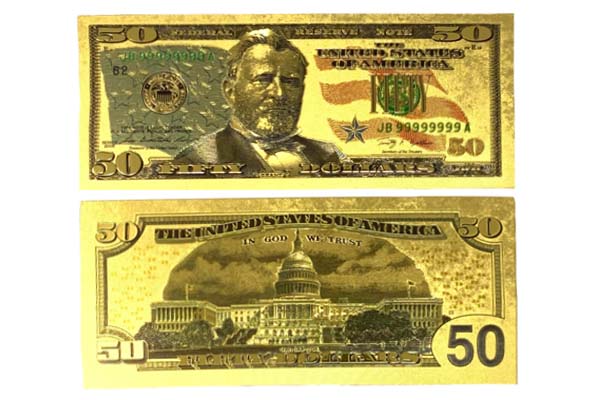
24金の50ドル紙幣は立派に見えるかもしれませんが、法定通貨ではありません。その価値はその宗派や購買力によって決まるものではありません。その代わりに、コレクション性、職人技、そしてメッキに使用されている金の薄い層にその魅力があります。
These bills are commemorative pieces produced by private companies, not issued by the U.S. Treasury. The term "24k gold" 通常、厚さはわずか数ミクロンで、真鍮や亜鉛合金などの卑金属上に適用されるメッキを指します。したがって、金紙幣の価値は、次の 3 つの重要な要素によってよく理解されます。
- 来歴1:アイテムの裏話。それは映画のプレミア上映、イベント、または歴史的な賛辞と結びついていたのでしょうか?
- 職人技2: 使用される金型、彫刻、印刷技術の品質。
- 希少性3: 限定生産と固有のシリアル番号により、価値が大幅に高まります。
たとえば、SF 映画に関連したものなど、映画のプレミア上映用に作成された限定版ノートなどです。 ステラエンパイア、独占的なコレクターアイテムであるため価値が高まりました。魅力は金ではなく、その背後にある物語でした。
高品質の金紙幣の見分け方
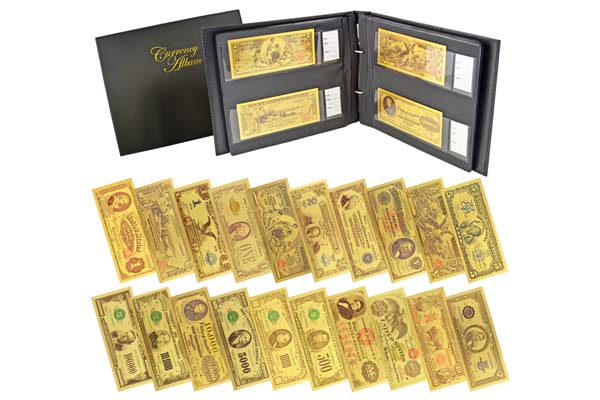
多くの金紙幣はオンラインでは同様に見えますが、品質は大きく異なります。次の特徴は、高級品と低品質の模造品を区別するのに役立ちます。
高品質の金紙幣は、シャープな金型のディテール、厚く均一な金メッキ、鮮やかで耐久性のある印刷によって特徴付けられます。対照的に、安価なバージョンは、彫刻がぼやけていたり、メッキが弱く、色が褪せたり壊れやすい傾向があります。
金型と彫刻の精度
- 高品質:CNC彫刻されたスチール金型を使用しており、細かいディテール、鮮明なライン、微細な彫刻が可能です。これらの型は、リアルな質感や、建物の建築や肖像画の彫刻などの複雑な要素を作成します。
- 低品質: 柔らかく、丸みを帯びた、不明瞭な特徴を生み出す基本的な型 (多くの場合シリコン) で作られています。
金メッキの厚さ
- 高品質: 電気化学プロセスにより適用された本物の24K金メッキを採用しています。メッキの厚さは通常 1 ~ 3 ミクロンで、変色しにくく、見た目の豊かな仕上がりになります。
- 低品質: Often uses flash plating under 0.5 microns, or simply "gold-colored" 終わります。これらは摩耗しやすく、すぐに変色します。
金属表面への印刷品質
- 高品質: 複雑なグラデーションと鮮明な色の忠実度を表現できる多層 UV 硬化インクが含まれています。これらのプリントは、色褪せたり傷がついたりすることなく10年以上持続するように設計されています。
- 低品質: 深みと耐久性に欠けるフラットな単層印刷を使用します。色がくすんで取れやすくなる場合があります。
比較表
| 特徴 | 高品質(プレミアムスタンダード) | 低品質なお土産 |
|---|---|---|
| 型 & 彫刻 | シャープで鮮明なディテール、微細な彫刻 | ぼやけた輪郭、最小限のディテール |
| 卑金属 | 純真鍮または亜鉛合金 | 薄いスチールまたはアルミニウム |
| ゴールドメッキ | 24K、厚さ1~3ミクロン、均一 | 0.5ミクロン未満または模造品 |
| 印刷品質 | 多層 UV インク、鮮やかで耐久性のある | フラットな単層インク、すぐに退色します |
| セキュリティ機能 | オプションのホログラム、シリアル番号 | 通常は何もありません |
| 感じる | ずっしりとした重量感、クールな金属の質感 | 軽い、薄っぺらい、粗いエッジ |
カスタム金紙幣を購入するのは誰ですか?
カスタム金紙幣は、エンターテイメント企業から企業や高級品のバイヤーまで、さまざまな顧客に対応しています。これらのアイテムは支出を目的としたものではなく、記念品、販促品、または威信のトークンです。
購入者には、エンターテインメントの知的財産権保有者、マイルストーンを祝う企業、VIP ギフトを求める高級ブランド、スポーツのライセンサーなどが含まれます。
エンターテイメントとポップカルチャー
- 使用事例:アニメ、映画、スポーツファン向けの限定グッズ。
- 要件:知的財産を保護する高いセキュリティ、正確なカラーマッチング、高品質なデザイン実行。
企業および金融部門
- 使用事例: エグゼクティブギフト、節目のお祝い、クライアントへの感謝の気持ち。
- 要件: 大量注文全体にわたる一貫した品質、特定のめっき規格、ブロックチェーンベースの証明書などの追加機能。
超高級および政府機関の顧客
- 使用事例: 外交ギフト、王室行事、高級ブランド。
- 要件:高純度金メッキ、鏡面仕上げ、機密設計サービス、プレミアム物流。
結論
24K ゴールドの 50 ドル紙幣の価値は、額面ではなく、そのデザイン、希少性、そして物語にあります。品質は精密な金型、耐久性のある金メッキ、高度な印刷によって決まります。コレクターにとって、真の価値は、使用されている素材だけではなく、その作品が何を表現しているかによって決まります。