

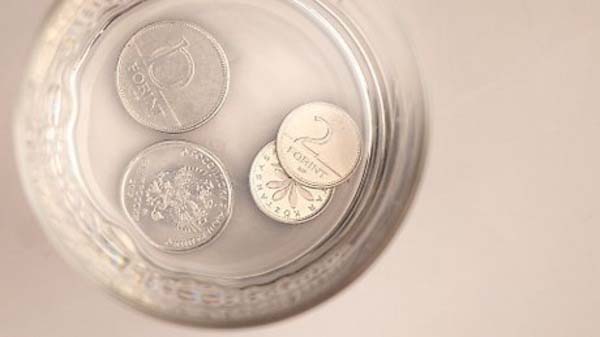
청소하고 싶은 더러운 은화가 있나요? 조심하시는 것이 맞습니다. 제대로 청소하지 않으면 동전이 쉽게 손상되고 가치가 떨어질 수 있습니다. 물을 안전하게 사용하는 방법을 살펴보겠습니다.
응, 깨끗해 증류수1 은화에 묻은 먼지를 부드럽게 헹구는 데 사용할 수 있습니다. 미네랄과 염소가 동전의 표면과 가치에 해를 끼칠 수 있으므로 문지르거나 수돗물을 피하세요.
증류수를 사용하는 것은 표면의 때를 제거하기 위한 기본적인 첫 번째 단계입니다. 아래에 있는 동전을 물리적으로 손상시키지 않고 잔해물을 부드럽게 들어 올리는 것이라고 생각하십시오. 수돗물은 반점을 일으키는 미네랄과 잠재적으로 은과 반응하는 염소 때문에 덜 이상적입니다. 핵심은 온화한 handling – a brief rinse or soak. Forceful cleaning methods are almost always detrimental, especially for potentially valuable coins. Remember, the goal is preservation, not just shine.
When rinsing, hold the coin under a gentle stream of lukewarm distilled water or let it soak briefly (a few minutes) in a bowl. This helps dislodge surface dirt that hasn't bonded chemically. Afterwards, pat the coin dry with a soft, lint-free cloth. Never rub. Rubbing creates micro-scratches called "hairlines," which significantly decrease a coin's collectible value. Distilled water is preferred because it lacks the minerals (like calcium) and chlorine found in tap water, which can leave residue or cause reactions.
However, water alone will not remove tarnish (the dark layer of silver sulfide) or embedded dirt. Its effectiveness is limited to loose surface contamination. Crucially, for collectible coins, particularly older or rarer ones, numismatists strongly advise against any cleaning. The natural toning or patina is often part of the coin's history and value. Removing it can drastically lower its worth. Before using water, ask: Is this coin potentially valuable? If yes, leave it alone or consult a professional coin conservator. Water rinsing is generally safer only for common coins where numismatic value2 isn't the main concern.
Does Boiling Water Clean Silver?
You might have heard about using boiling water, perhaps with baking soda and foil, to tackle tarnish. Is this method effective or safe for your silver coins?
Boiling water itself doesn't clean silver effectively. However, combining it with baking soda and aluminum foil creates a chemical reaction that removes tarnish (silver sulfide), but this method is risky and not recommended for valuable coins.
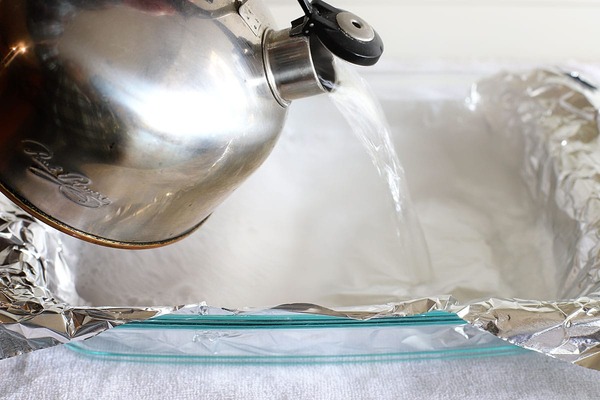
This common DIY technique uses electrochemistry, not just heat. Understanding how it works reveals why it's generally unsuitable for coins.
How the Boiling Water/Baking Soda/Foil Method Works
This process removes tarnish chemically:
- Setup: Line a non-metallic bowl with aluminum foil. Place the silver coin on the foil. Add baking soda. Pour boiling water to cover.
- Reaction: The hot water and baking soda create an electrolyte solution. Aluminum acts as the anode, silver as the cathode. The aluminum attracts the sulfur from the silver tarnish (Ag2S), converting it back to silver metal and depositing aluminum sulfide on the foil.
- Result: Tarnish disappears, seemingly restoring brightness.
While chemically clever, this method poses significant risks to coins.
Why Avoid This Method for Coins
Using the boiling water/baking soda/foil method3 is usually a bad idea:
- Destroys Numismatic Value: Removing the natural patina or tarnish drastically reduces a collectible coin's value. Collectors prefer original surfaces.
- Damages Delicate Surfaces: Proof or uncirculated coins have special finishes easily marred by heat, chemicals, or contact with foil.
- Harms Plated Coins: The process can damage or strip the thin silver layer on plated coins. (At INIMAKER®, we advise gentle care for our plated custom coins).
- Ruins Added Features: Heat and chemicals can destroy enamel, paint, or other non-metallic elements on a coin.
- Causes Subtle Harm: It can alter luster or texture in ways that devalue the coin to expert graders.
Quick Comparison: Cleaning Methods & Risk
| 방법 | Best Use Case | Key Risks | Impact on Collectible Value |
|---|---|---|---|
| Distilled Water Rinse | Loose surface dirt only | Minimal; Rubbing causes hairlines | Negative if rubbed |
| Boiling Water/Soda/Foil | Removing tarnish (non-collectible) | Strips patina, surface/plating damage | Significantly negative |
| Silver Polish | Non-coin silver items | Abrasive, removes metal, scratches | Extremely negative |
| Professional Conservation | Valuable/historic coins | Costly; requires expertise | Aims to stabilize value |
Identify Your Coin Before Cleaning
Is the coin old, uncirculated, or rare? Check resources like coin guides or consult a dealer. If it might be valuable, do not clean it. Cleaning can destroy its historical and monetary worth. Think of patina as history—don't erase it.
Need Pristine Coins Without the Risk?
As manufacturers at INIMAKER®, creating high-quality custom coins and medals is our expertise. We understand the appeal of brilliant silver, but also the dangers of cleaning old coins. If you need beautiful, durable silver-plated or gold-plated coins for awards, collections, or educational use – without risking numismatic value2 – consider newly manufactured pieces. We craft custom coins in zinc alloy, brass, or iron, finished to your specifications (meeting ASTM B-488 standards for gold plating) and built to last, perfect for display and appreciation.
결론
Use only distilled water for a gentle rinse of loose dirt on silver coins; never scrub. Avoid the boiling water/baking soda method for valuable coins as it removes tarnish but destroys collectible value. When in doubt about a coin's worth, do not clean it.
-
Explore the advantages of distilled water in preserving the value of silver coins while ensuring safe cleaning practices. ↩
-
Understand the significance of numismatic value in coin collecting and how it affects cleaning decisions. ↩ ↩
-
Learn why this popular DIY method can be risky for valuable coins and what alternatives exist for safe cleaning. ↩