

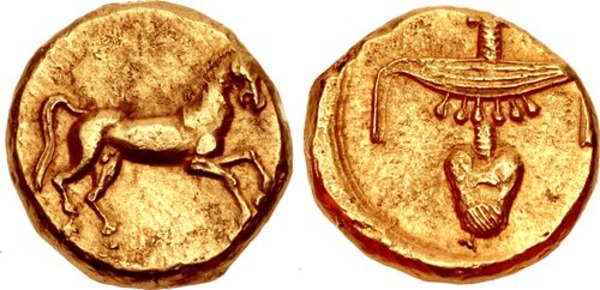
"Did pharaohs pay workers with 금화1?" This question reveals common misconceptions about Egypt's monetary system. Let's separate Hollywood myths from archaeological facts.
Gold coins entered Egypt through Greek rulers after Alexander's conquest (332 BCE), not during pyramid-building eras. The native Egyptian economy relied on grain-based barter system2s for 3,000+ years before foreign coinage adoption.
How Did Ancient Egyptians Trade Before Coins?
Egyptian market scenes depicted in tomb paintings show no coins changing hands. Workers received grain rations measured in deben (≈91g copper units). A skilled laborer might earn 10 deben monthly - enough for 15-20 sacks of wheat.
3 Pre-Coin Exchange Methods
- Barter System
Temple records show linen traded for olive oil at 3:1 ratio - Weighted Metals
Gold rings standardized to 7.5g each (found in Tutankhamun's tomb) - Grain Banks
State warehouses issued clay receipts as early IOUs
Foreign traders introduced coins gradually:
| 기간 | 동전 유형 | User Group |
|---|---|---|
| 664-332 BCE | Greek Drachma | Mediterranean merchants |
| 305-30 BCE | Ptolemaic Stater | Royal taxes/military |
| 30 BCE onward | Roman Denarius | Urban elites |
Why Didn't Native Egyptians Mint Coins Earlier?
The Nile Valley's self-sufficient economy reduced coin need. Farmers paid taxes in crops, not currency. When Persian rulers first minted Egyptian coins (5th c. BCE), locals reportedly melted them for ritual offerings.
Three cultural barriers to coin adoption:
- Religious taboos against "graven images" on metal
- Centralized state control of resources
- Literacy rates under 1% (coins require standardized values)
When Did Egypt Fully Adopt Gold Coins?
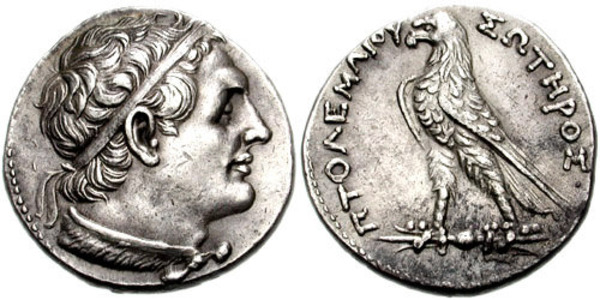
Ptolemy I's 24k gold staters (c. 305 BCE) marked Egypt's first official coins. These showed Alexander as Ammon-Zeus - a political fusion of Greek/Egyptian symbols. Yet only 2% of rural sites show coin finds versus 78% in Alexandria.
Key Features of Ptolemaic Coins
구성
- 97% pure gold (vs 90% in Greek coins)
- 27mm diameter (±0.1mm tolerance)
Symbolism
- Obverse: Ruler portrait with divine attributes
- Reverse: Eagle clutching thunderbolt
Economic Impact
- Enabled standing professional army
- Standardized tax collection
- Increased foreign trade by 300%
Modern Replicas for Historical Education
Having supplied museums like the British Museum, I understand educators need accurate replicas. Our 1:1 Ptolemaic stater reproductions use original lost-wax casting methods with museum-licensed designs.
Why choose our historical coins?
✅ XRF-tested material authenticity
✅ Dual plating (22k gold + rhodium anti-tarnish)
✅ Laser-engraved hieroglyphic serial numbers
결론
Egypt adopted gold coins only under foreign rule, maintaining native barter systems for millennia. Understanding this helps contextualize archaeological finds.
Premium Replicas for Collectors & 교육자
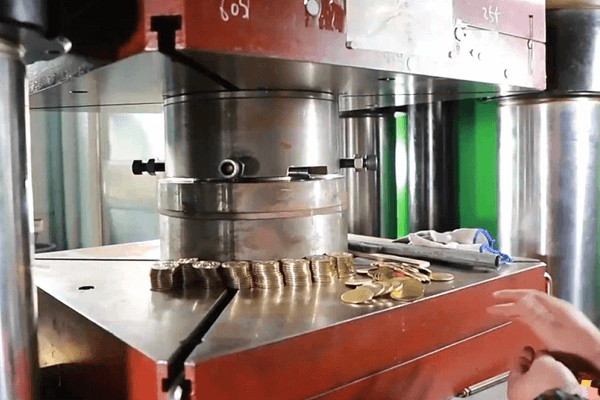
At INIMAKER®, we blend ancient techniques with modern quality control. Our museum-grade replicas help history enthusiasts handle "artifacts" without risking originals.
4 advantages for academic clients:
- 맞춤화
Add school logos or QR codes linking to historical info - 내구성
Scratch-resistant enamel lasts 10+ years in classroom use - 규정 준수
RoHS-certified safe for children's handling - 속도
Rush orders ship in 5 days - perfect for sudden curriculum changes
Last month, a Cairo university ordered 500 Alexander-era coin replicas with Arabic/English descriptions. Using our "ColorLock" technology, the enamel hues matched excavation photos within 0.5 ΔE accuracy. Contact us to create your tangible history lessons.