
I used to wonder why my designs fell flat. That frustration made me look for a way to stand out. Then I found a proven method for creating unique challenge coins. Now I help others unlock that same excitement.
Design a challenge coin by choosing a specific theme, selecting a shape and size, then deciding on metal plating and enamel colors. Draft a simple sketch, review proofs, and make revisions. Finalize a sample, then approve mass production for a professional, high-quality result.
I remember my first attempt. I made lots of mistakes, but I learned. Let me share what works so you can skip those headaches. You will see how each step elevates your design.
Gather Your Ideas
I always begin with the core idea. I picture a theme, a message, and a purpose. That clear vision guides the entire process, from shape to color and beyond.
이 단계에서는 전반적인 개념을 정의합니다. 관객, 스타일, 코인의 최종 용도에 대해 생각합니다. 이미지와 참고 자료를 수집한 다음 스케치 초안을 작성하여 기본 레이아웃을 보여줍니다. 그 빠른 스케치는 거칠게 보일 수도 있지만 앞면과 뒷면의 세부 사항을 상상하는 데 도움이 됩니다. 또한 이 동전이 스포츠 행사용인지, 박물관 선물 가게용인지, 특별한 행사용인지도 결정합니다. 그 기초를 다진다는 것은 최종 디자인을 위한 로드맵을 갖게 된다는 것을 의미합니다. 이 접근 방식을 사용하면 시간이 절약되고 요구 사항과 클라이언트 요구 사항을 추적하는 데 도움이 됩니다.
구매자와 대화를 나눌 때 코인의 목표에 대해 질문합니다. 일부는 기업 로고를 원합니다. 다른 사람들은 경치 좋은 랜드마크나 인기 있는 마스코트를 상상합니다. 여러 각도에서 생각하려고 노력해요. 예를 들어, 제가 운영하는 회사인 INIMAKER는 전 세계 대규모 구매자를 대상으로 하는 B2B 도매 코인에 중점을 두고 있습니다. 우리 고객은 종종 브랜드 아이덴티티, 이벤트 테마 또는 독특한 문화적 아이콘을 강조하는 주화를 원합니다. 가능한 다양한 레이아웃을 보여주기 위해 빠른 스케치를 그립니다. 앞면에는 강렬한 태그라인이 있고 뒷면에는 양식화된 날짜나 모토가 있는 디자인을 제안할 수 있습니다.
The Importance of Target Audience
I always see big differences in design expectations. Mark Chen, one of my recurring customers from France, often wants tourist-themed coins for scenic hotspots. He’s 50, confident, and direct. He cares about detail and fair cost. Other buyers want coins for corporate anniversaries. I highlight how a single theme can be adapted to different audiences. A corporate manager might want minimalistic shapes and cooler colors. A coin dealer might want bold fonts or historical images.
Tools for Inspiration
I rely on several resources:
- Google Images: Quick idea hunting.
- Pinterest: Trendy visuals and color palettes.
- Shutterstock: Stock artwork references.
- In-house sketches: Personalized doodles that show scale.
| Resource | 목적 | 혜택 |
|---|---|---|
| Google Images | Quick brainstorming | Fast, diverse references |
| Trend analysis | On-trend color combos and patterns | |
| Shutterstock | Royalty-free visuals | Quality images for reference |
| Sketches | Custom drafting | Brings personal ideas to life |
Sketching for Success
I learned that rough sketches reduce misunderstandings. Clients may not be artists, and neither am I. But a quick doodle helps them confirm text placement, alignment, and the look of logos. This step ensures I cover important details, from the brand’s color codes to their slogan. It also reminds me to keep track of all elements before I commit to the next phase.
Pick the Coin's Size and Shape
Once I know the concept, I finalize options like coin size, shape, thickness, and colors. Those decisions create a solid framework for production.
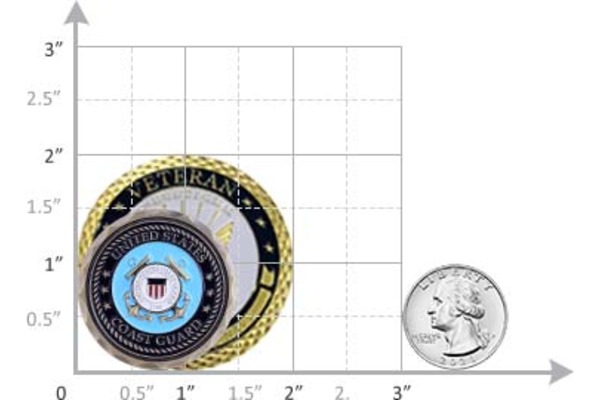
Here, I make decisions about the coin’s physical form. I decide if it should be a standard circular shape or a custom silhouette. I confirm the size, which often ranges from 1.75" to 2" in diameter. I think about whether to incorporate bottle opener features or cut-outs. Then I choose metal plating—often gold, silver, or antique copper—and consider thickness. A coin that’s 4mm thick feels heavier and more premium than a 3mm coin. At the same time, I check color compatibility so the plating and enamel shades don’t clash. These choices shape how the final piece looks and feels.
I find that size and shape influence a coin’s memorability. Sometimes, our B2B clients request large coins, up to 3" or even bigger, for major events. That can come with high costs, so I explain the budget implications. On the other hand, smaller coins of 1.5" are more portable. Mark Chen once requested an oval coin that showcased a French landmark. He also wanted enough space for layered text. That inspired me to think about the shape as part of the storytelling.
Balancing Weight and Texture
Coins can weigh more if we increase thickness. A heavier coin can feel more prestigious. Some corporate buyers prefer that heavier feel. Others want a simpler, lightweight option. I also explore 3D embossing. That deeper sculpting effect can show more intricate shapes, like animals or building facades, but it takes more time and cost to produce.
Choosing the Right Metal
Different metals shift the mood of a coin. Shiny gold looks elegant, but can reflect a lot of light. Antique silver can highlight tiny details. Black nickel plating with bright enamel pops under direct light. I learned that matching the metal to the brand image is crucial. If a buyer wants a classic aesthetic, antique copper might be perfect. If they want modern flair, high polish silver might feel sleek.
Edging and Unique Additions
때로는 크로스컷이나 로프컷 같은 특별한 엣지가 호기심을 불러일으킨다. 잠재 고객이 코인을 보유하면 이러한 이점을 느끼고 더욱 참여하게 됩니다. 병따개 후크나 다중 도구 기능을 포함하는 것은 재미있는 추가 기능이지만 신중한 계획이 필요합니다. 가장자리는 또한 추가적인 촉각 레이어를 제공합니다. 내 박물관이나 여행사 고객 중 일부는 전시회나 도시 랜드마크의 주제를 보완하는 퍼즐 같은 가장자리를 좋아합니다.
| 주요 디자인 선택 | 가능한 변형 | 고려사항 |
|---|---|---|
| 크기 | 1.5" 3으로" 또는 더 큰 | 예산, 가시성, 휴대성 |
| 모양 | 원형, 타원형, 맞춤형 실루엣 | 테마 정렬, 도구 복잡성 |
| 금속 도금 | 금, 은, 구리, 니켈, 검정색 | 브랜드 아이덴티티, 컬러 조화, 밝기 |
| 두께 | 3mm(표준) 또는 4mm+ | 무게, 가격, 프리미엄 느낌 |
| 가장자리 스타일 | 플랫, 크로스 컷, 로프 컷, 비스듬한 컷 | Handling, aesthetic, tactile engagement |
| 2D vs. 3D Artwork | Flat vs. sculpted | Complexity, cost, depth of detail |
Work on Artwork Proofs
When I’ve locked in the look and specifications, I request artwork proofs from my design team or handle them myself. This step leads to crucial adjustments.
Now, I assemble everything I’ve decided so far into a digital or hand-drawn proof. This includes final plating colors, enamel selections, text, and shape. Once I have that proof, I share it with the client. We refine elements like font size, alignment, background textures, or color palette. Sometimes, a design looks perfect on paper but needs small tweaks for production. The proof stage helps everyone see how the coin will appear in real life. Because I do B2B wholesale, I might scale these checks across multiple orders. It’s easier to fix problems now than after production starts.
I believe in extensive communication. For example, if Mark Chen wants a coin that resonates with French tourists, I might add a phrase in French or incorporate a subtle fleur-de-lis. This is the point where Mark reviews the proof and notes any changes. Maybe the text is too small, or the enamel color is off. If that happens, I revise and send a new proof. That back-and-forth ensures we avoid the biggest pitfall: costly mistakes in final manufacturing.
Artwork Revision Cycles
My company, INIMAKER, offers unlimited revisions for potential clients. This matters in B2B because corporate buyers might need the legal department’s sign-off, or a branding committee’s approval. I adjust logos to meet brand guidelines, or shift Pantone colors to match official color codes. If Mark Chen decides the outline shape should be more rectangular, I incorporate that feedback. These steps keep the process transparent.
Common Proofing Challenges
Sometimes, text wraps awkwardly if there’s too much information in a small area. Or the color combinations create eye strain. I once tried to fit three paragraphs of text onto a 2" coin for a museum event. That design looked too busy. I learned that less is often more. Quality control at this stage is vital. I consider how each color interacts with the metal finish. For instance, bright red can pop against black nickel, but might become washed out against antique copper.
Collaboration With the Design Team
I share proofs with a dedicated design team. They confirm each detail meets production requirements. If the lines are too fine, we scale them up so the mold can capture the details. This is where real synergy happens. I rely on their expertise to refine my original concept.
Approve the Sample Coin
After client approval, we produce a sample. That piece is our final checkpoint before mass production begins.
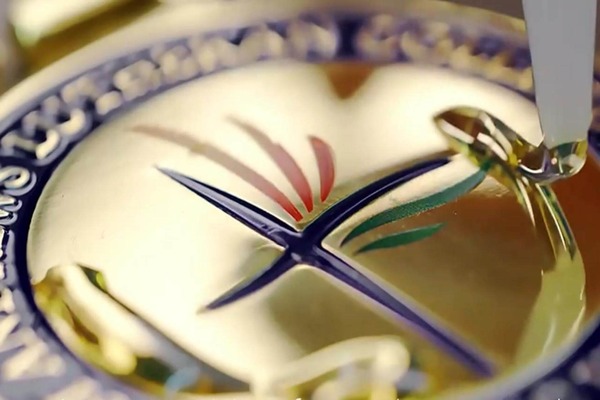
In this phase, I watch the creation of a physical sample. Our machines craft the mold, plate the coin, and fill the enamel areas. Once the plating and colors are set, the coin is polished and inspected. I confirm weight, edging, shape, and color accuracy. If everything meets our standards and the client’s needs, we move on to full production. If not, I circle back with revisions. This ensures consistency for the entire order, whether I’m making 100 coins or 10,000 coins. During this step, communication remains crucial. I share pictures, or even ship the sample to the client.
Sampling is when the coin shifts from concept to tangible object. I believe in thorough checks for alignment, color bleed, or plating inconsistencies. At INIMAKER, we have four production lines in China. We handle multiple projects at once. Each line ensures that the coins match the sample’s quality. This method reduces errors that might appear when mass-producing thousands of pieces. Because our main buyers are in the United States, Russia, France, the United Kingdom, and other European and American countries, we maintain strong quality control to satisfy diverse demands.
Quality Control Steps
- 육안 검사: I compare the coin with the final proof.
- Plating Check: The metal tone should be uniform.
- Enamel Check: Colors must be correctly filled and cured without bubbles.
- Measurement: I confirm diameter and thickness.
- Edge Verification: Unique edges match the requested style.
- Logo and Text: Spelling, spacing, and clarity.
Collaboration With Logistics
I’ve learned that timely delivery is crucial, especially for people like Mark Chen. He hates missing sales windows in peak tourist seasons. I arrange reliable shipping methods, handle certifications if needed, and stay proactive with paperwork. This includes preparing customs documents to avoid delays. I also handle payment details through channels like Alibaba or direct wire transfers, depending on the client’s preference. Since I serve B2B clients, these factors keep the supply chain smooth.
Handling Potential Revisions
Sometimes, the sample reveals a small flaw. Maybe a portion of the enamel is too light. I go back to the plating stage or tweak the color mix. This step prevents mass production of flawed coins. It’s better to spend a little extra time here than rush ahead with mistakes. Once the client approves the sample, I proceed with large-scale output.
Move Into Final Production
After the sample gains approval, I transition to the bulk manufacturing phase. Here, every coin gets the same care, ensuring consistent standards.
This final stretch moves swiftly. Molds are replicated if needed, and our machines handle plating, die-striking, or stamping. The factory workers fill the enamel carefully, layer by layer if it’s a complicated design. Then the coins dry and pass a second quality check. I package them according to client instructions, often in individual poly bags or presentation boxes. Timing is vital, especially for large orders. I coordinate with shipping partners to make sure the coins arrive intact, usually ahead of the scheduled date.
I always reflect on how this final step can make or break customer satisfaction. Maintaining consistency across thousands of coins requires meticulous oversight. Each plating batch must match the approved sample. The staff measures color levels and plating thickness at intervals. Any discrepancy triggers a recheck. I remind them that one flawed batch can upset a large corporate buyer, or a museum gift shop that expects perfection.
Packaging Details
Some clients, especially those who target high-end collectors, prefer velvet pouches or acrylic cases. Others just want cost-effective packaging to keep the unit price low. Mark Chen once needed special packaging with a short French greeting inside. That small extra detail helped boost sales. Personal touches can set a coin apart, especially in tourist markets.
Distribution Channels
I also use various promotion channels. Alibaba listings connect me to global businesses looking for wholesale coins. Exhibitions and independent sites let me share product samples directly with potential buyers. This approach reflects how I build brand awareness for INIMAKER. By showcasing finished coins, I assure new contacts of our deep customization capabilities. That’s how we attract large corporate buyers, sporting goods chains, travel companies, museums, and coin dealers.
Customer Feedback Loops
Once shipments arrive, I appreciate feedback. Some prefer direct phone calls. Others send emails or reviews. If a client experiences shipping delays, I refine the logistics plan. If someone wants a bigger thickness next time, I note that for future orders. These continuous improvements keep me competitive in the B2B space and strengthen my relationship with returning buyers.
결론
I guide ideas from a rough concept to a final challenge coin that meets high standards. It’s a journey of planning, design, revisions, and careful manufacturing. Each step ensures a result that stands out and meets the buyer’s needs.