


Are you curious about the shiny silver coins in your collection? It's confusing with terms like "sterling" or "fine silver." I'll explain the metals, so you know exactly what you're holding.
Most silver coins are not pure silver. They are typically alloys, mixing silver with other metals like copper to enhance durability. Common types include sterling silver (92.5% silver) and historic "coin silver" (often 90% silver). Some modern bullion coins are fine silver (99.9%+ pure).
You see, pure silver, while beautiful, is surprisingly soft. If coins were made from 99.9% pure silver for everyday use, they would scratch, dent, and wear down very quickly. I've seen this firsthand in our workshop when we handle pure metal samples. To combat this, mints and manufacturers, including us at INIMAKER® when working on specific requests, create alloys. An alloy is a mixture of metals. For silver coins, copper is the most common addition. Adding copper makes the coin harder and more resistant to wear and tear from handling and circulation. This also affects the cost and sometimes the color slightly. It's a practical decision that has been made for centuries to ensure coins last longer.
Vamos analisar as composições comuns que você encontrará:
-
Prata Fina (0,999 ou 0,9999 pura)1:
Isso é o mais próximo da prata pura que você normalmente consegue em forma de moeda. Estas moedas contêm 99,9% ou mesmo 99,99% de prata. Você encontrará essa pureza principalmente em moedas de ouro modernas projetadas para investimento, como a American Silver Eagle (embora seja tecnicamente 0,999 prata, não 0,9999, como é para alguns bordos canadenses), ou peças comemorativas não destinadas à circulação. Elas são valorizadas por seu alto teor de prata, mas são mais macias que as moedas de liga. Na INIMAKER®, quando um cliente solicita uma peça com máxima pureza, esse é o padrão que discutimos, enfatizando sua delicadeza. -
Prata esterlina (0,925 pura)2:
Sterling silver is a very well-known alloy, consisting of 92.5% silver and 7.5% other metals, usually copper. The term "sterling" has a long history, especially in British coinage. While not as common for circulating currency today, many commemorative medals and collectible items are made from sterling silver. It offers a good balance of high silver content and improved durability. -
Coin Silver (Typically .900 pure, but can vary):
Historically, many countries, including the United States before 1965, used a "coin silver" standard, which was typically 90% silver and 10% copper. This composition was robust enough for daily transactions. You'll find this in older U.S. dimes, quarters, and half dollars. The term can sometimes refer to other purities like 80% (.800) or even lower in older European coinage, so it's a bit more of a general term. We sometimes get requests from clients like Mark Chen, who deals with tourist commemorative coins, to replicate the look and feel of these historic pieces. -
Lower Purity Silver Alloys (e.g., .500 or .400 pure):
During certain periods, often due to economic reasons or wartime, countries have issued coins with lower silver content, such as 50% or 40% silver. For example, U.S. Kennedy half dollars from 1965 to 1970 contained 40% silver. These are still considered "silver coins" due to their silver content but are less valuable intrinsically than higher-purity coins. -
Silver-Plated Coins:
It's also important to mention coins that olhar silver but contain no actual silver in their core composition, or only a very thin layer. These are base metal coins (like copper, zinc, or nickel) that have been electroplated with a microscopically thin layer of silver. While they can be attractive, their intrinsic value is negligible. At INIMAKER®, we are experts in electroplating, offering various finishes including silver plating. We always ensure our clients understand the difference, especially for projects where durability versus cost is a factor, like some promotional items.
Understanding these differences is key, whether you're a collector, an investor, or just curious. The composition directly impacts a coin's value, durability, and even its appearance over time.
Do Silver Coins Tarnish?
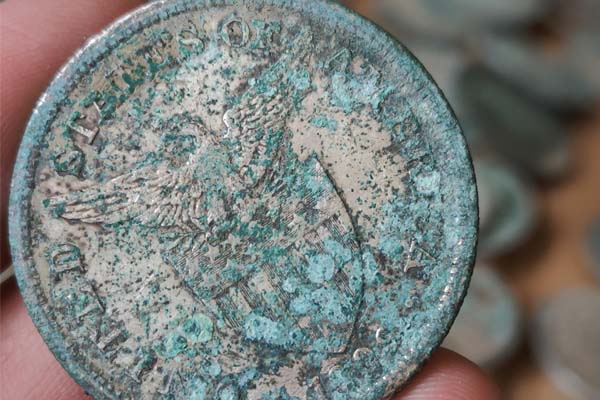
You have some nice silver coins, and you wonder if they'll keep their shine. It’s a common question if these pieces will tarnish or change color.
Yes, silver coins absolutely tarnish. Tarnish3 is a natural chemical process where silver reacts with sulfur compounds in the air, forming a dark layer called silver sulfide. This happens to almost all silver, regardless of purity, though the rate can vary.
Tarnish is essentially a form of corrosion, but unlike rust on iron, it doesn't typically destroy the underlying metal. It's more of a surface phenomenon. I often explain this to clients like Aisha Al-Farsi, who values the pristine appearance of luxury gold-plated items, that even the most precious metals can react with their environment, though gold is far more resistant than silver.
Silver Tarnish
Let's explore this further. Understanding tarnish helps you appreciate why coins might look different over time.
1. What Exactly is Tarnish Chemically?
Tarnish on silver is primarily silver sulfide (Ag₂S). Silver atoms on the surface of the coin react with hydrogen sulfide (H₂S) gas or other sulfur-containing compounds present in the air. Oxygen can also play a role in the broader tarnishing process.
- The Reaction:
2Ag (s) + H₂S (g) → Ag₂S (s) + H₂ (g)
(Silver + Hydrogen Sulfide → Silver Sulfide + Hydrogen)
This silver sulfide is what you see as the dark, often black or sometimes yellowish to purplish, coating on the coin.
2. What Factors Accelerate Tarnishing?
Several environmental factors can speed up how quickly silver coins tarnish:
- Airborne Sulfur: The primary culprit. Sources include:
- Air pollution (industrial emissions, vehicle exhaust).
- Certain materials: Wool, felt, rubber bands, some paints, textiles, and adhesives can release sulfur compounds.
- Food items: Onions, eggs, and mayonnaise.
- Umidade: High humidity accelerates the chemical reaction. Moisture on the coin's surface can dissolve sulfur gases, making them more reactive with the silver.
- Direct Contact: Oils from human skin, chemicals in cleaning products (not meant for silver), and even contact with other reactive metals can promote tarnishing or discoloration.
- Temperatura: Higher temperatures can generally speed up chemical reactions, including tarnishing.
I remember a project for Klaus Wagner, who is very focused on sustainability. We were discussing packaging, and I pointed out how certain non-archival paper materials could outgas and contribute to tarnishing, which was a concern for his ESG-themed coins.
3. Does Purity Affect How Silver Tarnishes?
This is an interesting point.
- Fine Silver (.999): It will tarnish, forming a relatively "pure" silver sulfide layer.
- Sterling Silver (.925) and Coin Silver (.900): Essas ligas também mancham. O teor de cobre nessas ligas também pode oxidar, formando óxidos ou sulfetos de cobre, que podem contribuir com diferentes cores (tons esverdeados ou acastanhados) para o embaciamento geral. Alguns acreditam que a presença de cobre pode até acelerar o processo de manchamento da prata sob certas condições, ou manchar-se mais facilmente.
É uma área matizada. Na minha experiência, enquanto a prata fina mancha, a mancha na prata fortemente ligada pode às vezes parecer mais irregular ou descolorida devido às reações dos outros metais presentes.
4. Can Tarnish Ever Be "Good"?
For some collectors, especially of antique coins, tarnish (often called "patina" or "toning") is desirable. It's seen as evidence of the coin's age and history. This toning can sometimes create beautiful, iridescent colors. However, this is subjective. For bullion investors or collectors who prefer a brilliant, mint-state look, tarnish is undesirable. Sarah Johnson, who procures military challenge coins, would likely want items to remain pristine for presentation, though the MIL-SPEC standards she adheres to are more about durability and precise material composition.
Tarnish Susceptibility Overview
| Tipo de moeda | Conteúdo Prata | Causa primária de manchas | Aparência comum de manchas |
|---|---|---|---|
| Prata Fina (0,999) | 99,9% | Reação com enxofre transportado pelo ar (H₂S) | Amarelo, marrom, azul, preto |
| Prata esterlina (0,925) | 92,5% | Prata reagindo com H₂S; Oxidante de cobre | Semelhante à prata fina, o cobre pode adicionar matizes |
| Moeda de Prata (0,900) | 90,0% | Prata reagindo com H₂S; Oxidante de cobre | Semelhante à libra esterlina |
| Banhado a prata | Thin Layer | Silver layer reacts with H₂S | Surface discoloration; wear can expose base metal |
This understanding is crucial. Whether you aim to preserve the brilliant shine or appreciate the historical patina, knowing that silver tarnishes and why is the first step.
Looking for Stunning Silver-Plated Coins for Education or Collection? INIMAKER® Can Help!
After learning about the intricacies of silver and its alloys, you might be thinking about how this applies to creating beautiful, lasting pieces, especially for educational purposes or as collector's items. While solid fine silver is premium, high-quality silver-plated coins offer an excellent alternative, providing the lustrous appearance of silver at a more accessible price point. This is particularly useful for teaching aids, museum replicas, or large-volume commemorative series where visual appeal and detail are key.
At INIMAKER®, we specialize in crafting custom coins, and our expertise in electroplating is second to none. With over 12 years in metal craftsmanship, we understand how to achieve a durable and brilliant silver finish on various base metals like zinc alloy, brass, or iron. Our advanced techniques, including our patent-pending "ColorLock" technology for enamel, ensure your designs are not only stunning but also made to last.
Whether you're:
- An educator looking for detailed historical coin replicas for teaching.
- A collector wanting to create a unique series of commemorative pieces.
- A business like Mark Chen's, needing high-quality, scratch-resistant tourist coins.
- An organization planning recognition items that require a touch of elegance.
Oferecemos serviço de ciclo completo, desde o design 3D até a galvanoplastia e embalagem, garantindo um rígido controle de qualidade em cada etapa. Podemos criar moedas folheadas a prata com designs complexos, gravações personalizadas (até mesmo códigos QR ou coordenadas GPS) e vários acabamentos para combinar com sua visão. Nosso MOQ flexível começa em 100 peças para designs padrão.
Para o seu próximo projeto que exige a beleza da prata com considerações práticas de produção, considere o INIMAKER®. Deixe-nos ajudá-lo a criar moedas que eduquem, comemorem e impressionem. Entre em contato com Joshua White em info@inimaker.com para discutir suas ideias.
Conclusão
Silver coins are mostly alloys, often with copper, to boost durability. Pure silver is rare in daily use. Yes, silver tarnishes due to sulfur. Understanding this helps you care for your coins.
-
Explore this link to understand the unique properties and value of Fine Silver coins, essential for collectors and investors alike. ↩
-
Discover the history and applications of Sterling Silver in coinage, a must-read for anyone interested in silver collectibles. ↩
-
Learn about tarnish on silver coins, its causes, and prevention methods to keep your collection in pristine condition. ↩