

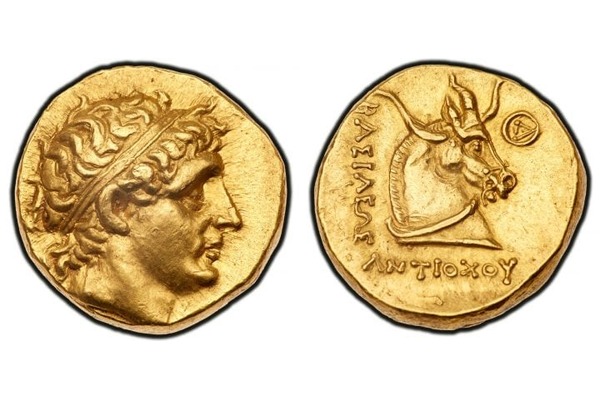
I once stared at an ancient Greek coin1 in awe. People often wonder if these coins were truly gold. Curiosity grows. Let’s discover the real story.
Yes, ancient Greeks did use gold coins, especially during the Classical period2, and they often featured gods or legendary heroes on one side. These coins had high aesthetic and technical quality, reflecting the cultural pride and economic strength of Greek city-states.
I recall my first encounter with these artifacts, amazed by their designs. I realized there was more to explore. Let me walk you through the details and show why these coins still fascinate collectors and historians.
What are Greek coins called?
I first learned about the drachma3 while studying Greek history. That sparked my interest in the nation's evolving currency. Let’s see how it got its name.
Греческие монеты на протяжении веков назывались драхмами, от термина, означающего «схватить». Название просуществовало до 2002 года, когда Греция перешла на евро. Этот сдвиг положил конец долгому наследию драхмы как официальной валюты Греции.
За названием «драхма» скрывается тонкая денежная эволюция. Самые ранние греческие монеты появились примерно в VII веке до нашей эры. Это были небольшие куски металла со стандартным весом. Со временем города-государства чеканили собственные монеты с особым дизайном.
The Evolution of Greek Currency
I often compare the shift from archaic coins to the drachma with modern transformations. Each new design reflected the influence of local rulers. Athens showcased the owl. Corinth featured Pegasus. This diversity symbolized political identity and economic independence.
Key Milestones in Greek Coin History
The introduction of coins improved trade across the Mediterranean. Merchants appreciated standardized weights. Soldiers preferred reliable currency for wages. Meanwhile, city-states began to incorporate elaborate images of deities. This heightened their cultural value.
Below is a simple table outlining major currency phases:
| Период | Notable Currency | Distinguishing Feature |
|---|---|---|
| Archaic (c. 700–480 BCE) | Electrum coins | Mixed gold-silver alloy |
| Classical (c. 480–323 BCE) | Silver, gold coins | High artistic quality, iconic symbols |
| Hellenistic (c. 323–31 BCE) | Various metals | Spread under Alexander’s successors |
These shifts reflect a dynamic society that valued commerce and craftsmanship. In my own view, these transitions remind us that money shapes how people interact. It also tells a story of sovereignty, artistry, and continuous reinvention.
Are any Greek coins valuable?
I once saw a rare Greek coin fetch an astonishing price at an auction. That moment showed me how certain coins hold extraordinary worth. Let’s see which ones shine.
Yes, some Greek coins can be extremely valuable, especially those with historical significance or unique design features. Condition, rarity, and demand from collectors all influence price. These factors can make certain coins command thousands or even millions of dollars at auctions.
Beneath the shine of rare Greek coins lies a blend of history and artistry. A coin minted under Alexander the Great might be coveted for its link to empire-building. Another, featuring a lesser-known city, can be prized for scarcity.
Understanding Coin Grading
Grading is crucial. I learned this when I tried to assess a silver tetradrachm. Experts examine wear, surface quality, and overall eye appeal. A coin with minimal wear commands higher prices. Numismatic societies set standards for grading to keep evaluations consistent.
Collector Demand and Market Shifts
Collector interest shapes prices. Stories behind a coin can spark bidding wars. An artifact from a famous battle or a pivotal historical era often gains extra attention. Economic factors also influence coin values. During uncertain times, collectibles sometimes become more attractive investments.
Below is a brief comparison of factors driving coin prices:
| Фактор | Влияние на стоимость |
|---|---|
| Историческое значение | Ties to notable events boost prices |
| Состояние | Better preservation means higher bids |
| Редкость | Few surviving pieces increase demand |
| Collector Trends | Popular themes drive market interest |
I remind myself to balance enthusiasm with caution. Prices can spike quickly. Yet the thrill of holding a piece of history keeps collectors engaged. Learning the story behind each coin often feels priceless.
What is the Indo Greek gold coin?
I discovered Indo-Greek coins while researching cross-cultural influences in ancient currency. These coins combine Greek artistry with local elements. They fascinate me because they show how empires intertwined.
Индо-Грик Золотые монеты4, or staters, fused Greek design with Indian imagery. They typically displayed the ruler’s profile on one side and a deity on the other. This blend symbolized cultural exchange, reflecting Greek ideas merged with local traditions in regions once ruled by Greek successors.
Beneath the golden surface, these Indo-Greek coins reflect dynamic interactions between East and West. The Indo-Greek kingdoms spanned parts of modern-day Afghanistan, Pakistan, and India. Greek governors, left behind by Alexander’s conquests, eventually formed their own rule.
I noticed that these coins often included bilingual inscriptions. Greek text appeared on one side, while a local script graced the other. This practice bridged language barriers. It also showcased rulers’ desire to connect with diverse populations. Deities like Zeus, Apollo, and local gods graced the reverse side.
Symbolic Power
Gold staters served many functions. They projected authority, but also facilitated trade across cultural lines. I often see these coins as tiny ambassadors of cultural fusion. They highlight how far Greek influence extended and how local traditions adapted those new ideas.
Here is a quick table comparing Indo-Greek coins with purely Hellenic issues:
| Аспект | Indo-Greek Coins | Purely Hellenic Coins |
|---|---|---|
| Надписи | Greek + Local Language | Predominantly Greek |
| Featured Deities | Greek & Regional gods | Primarily Greek Pantheon |
| Geographic Context | Ancient India Region | Greek Mainland, Colonies |
| Symbol of Authority | Ruler with cross-cultural ties | Ruler as Greek city-state figurehead |
These hybrids reveal how currency can transcend borders. That perspective inspires me. It reminds me that even something as simple as a coin can showcase layers of shared history.
Are modern replicas legal or historically accurate?
I occasionally get asked about authenticity and legality of modern replicas. People worry they might infringe on copyright or mislead collectors. Let’s clarify these concerns to ensure responsible collecting.
Современные реплики, если они четко обозначены, как правило, легальны. Законы различаются в зависимости от страны, но прозрачная маркировка позволяет избежать проблем с подделкой. Реплики предназначены для обучения или улучшения коллекций. Их нельзя продавать как подлинные артефакты, чтобы не допустить путаницы среди покупателей и сохранить целостность нумизматики.
Многие любители беспокоятся, что копии могут снизить ценность оригинальных монет. Я понимаю их беспокойство. Тем не менее, официальные репродукции помогают сохранить историю и расширить доступ, особенно для преподавателей, которым нужно несколько копий. Маркированная копия гарантирует, что никто не перепутает ее с подлинным артефактом.
Crafting Accurate Replicas
Most reputable manufacturers use molds or high-resolution scans of authentic pieces. They pay attention to weight, diameter, and even the finishing. In my view, the best replicas capture subtle details, like the relief on a deity’s face or the original coin’s edge design.
Protecting Collector Interests
Clear labeling is key. Any modern coin that looks ancient but lacks identification can mislead buyers. This is where legal standards come into play. Some nations impose strict requirements for copy markings. Others rely on professional organizations and collector communities to self-regulate.
Below is a quick table that highlights factors distinguishing replicas from counterfeits:
| Аспект | Legitimate Replica | Подделка |
|---|---|---|
| Labeling | Clearly marked as reproduction | Often missing or forged marks |
| Material Quality | Transparent about composition | Tries to mimic precious metals exactly |
| Цель | Educational or collectible use | Deception and profit from fraud |
| Юридическое соответствие | Meets local copy regulations | Operates outside legal frameworks |
My Perspective
I believe replicas foster appreciation for ancient coinage. They reduce the risk of damaging or losing rare originals. When clearly identified, they let us hold and study an ancient design without risking a prized museum artifact. This knowledge is vital for historians, educators, and curious collectors.
In my case, I’ve met teachers who wanted sets of Spartan, Athenian, and Indo-Greek coins for classroom activities. Replicas gave them a safe, cost-effective solution. I think that approach opens doors for more people to experience history firsthand, fueling a shared passion for ancient cultures.
Why do I recommend specialized coin production from my factory?
I often get questions about modern replicas for teaching or personal collections. My factory offers custom gold-plated coins, letting you experience ancient charm without the collector’s price tag.
My name is Joshua White, and I run INIMAKER in China. We offer deep customization for medals, badges, commemorative coins, and challenge coins. Our B2B factory handles wholesale projects with four production lines and exports worldwide.
I started this factory to meet the growing demand for quality coin production. We work with large corporate buyers, travel companies, museums, and coin dealers. We focus on strong communication, reliable logistics, and flexible payment methods.
Key Services and Capabilities
We produce gold-plated and silver-plated coins for educational institutions, sports events, or museums. Our lines can handle bulk orders with quick turnaround. We maintain strict quality control and hold the certifications our clients need.
Here is a simple table highlighting our core offerings:
| Услуга | Выгода |
|---|---|
| Deep Customization | Designs tailored to clients’ needs |
| Wholesale-Only Model | Competitive pricing for large orders |
| Reliable Logistics | Timely delivery to avoid missed seasons |
| Global Exports | Serving US, Russia, France, UK, and more |
Why Focus on Replicas?
Many history enthusiasts want to hold something tangible. Teachers need affordable resources for classrooms. Collectors appreciate artistic reproductions. Our goal is to satisfy these needs. We are present on Alibaba, exhibitions, and through our website, www.inimaker.com. For inquiries, email info@inimaker.comПолем
My mission is simple. I want to bring history closer to people. By offering well-crafted replicas, I hope to share the excitement of ancient coinage without the pitfalls of incomplete communication or missed deadlines. I understand the business side and aim to ensure that each order runs smoothly.
Заключение
Ancient Greek coins blend art and history. They show us trade, power, and cultural exchange. From gold staters to modern replicas, these coins captivate the world. I hope this journey inspires deeper insights and lasting appreciation of numismatic treasures.
-
Exploring the history of ancient Greek coins reveals their cultural and economic impact, offering insights into the artistry and societal values of the time. ↩
-
Delving into the Classical period uncovers the zenith of ancient Greek culture, politics, and economy, including the use of gold coins. ↩
-
Understanding the evolution of the drachma provides a window into the economic systems and historical transitions of ancient Greece. ↩
-
Discover the unique blend of Greek and Indian artistry in Indo-Greek gold coins, reflecting cultural exchange. ↩